
If you’re searching for a smarter way to build strength, improve endurance, and accelerate recovery, you’re in the right place. Sustainable fitness isn’t about random workouts or restrictive diets — it’s about building real health momentum through structured training, smart fueling, and proven recovery strategies.
This article breaks down practical fitness methods, effective strength conditioning techniques, and how to create a personalized nutrition plan that supports your goals. Whether you want to gain muscle, lose fat, or simply feel more energized, you’ll find actionable guidance designed to help you make measurable progress.
Our insights are grounded in evidence-based training principles, current nutrition science, and performance-focused recovery methods used by experienced coaches and athletes. Instead of trends or quick fixes, we focus on strategies that deliver consistent, long-term results.
By the end, you’ll understand how to align your workouts, nutrition, and recovery into one cohesive system that supports sustainable performance and overall health.
Ever followed keto, paleo, or the latest celebrity cleanse only to watch the scale refuse to budge? It’s frustrating. These popular plans promise universal results, yet bodies aren’t built from the same blueprint. Here’s the core issue: one-size-fits-all nutrition ignores metabolism (how efficiently your body turns food into energy), activity level, preferences, and specific goals.
In other words, your diet might not match your reality.
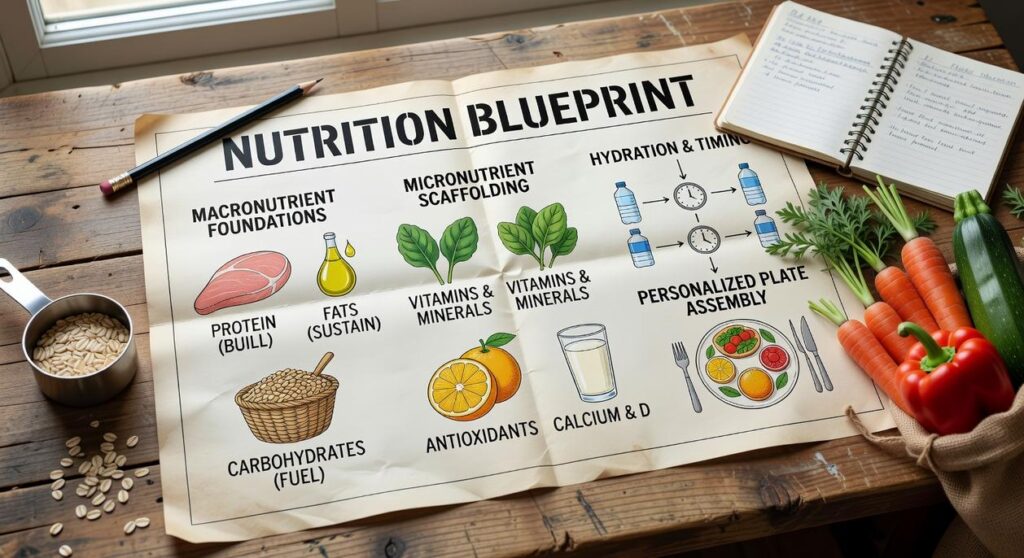
That’s where a personalized nutrition plan changes everything. Instead of copying trends, tailored guidance creates a blueprint aligned with your lifestyle, training demands, and recovery needs—so progress finally makes sense. And results become sustainable longterm.
Beyond the Template: What “Tailored Nutrition” Truly Means
When people hear tailored nutrition, they often think it’s just calorie math with a fancier label. It’s not. At its core, tailored nutrition means aligning what you eat with how your body actually functions—your metabolism, activity level, goals, and lifestyle. In simple terms, metabolism is how your body converts food into energy. Two people can eat the same meal and experience completely different results (frustrating, but true).
A personalized nutrition plan goes far beyond what a free calculator or generic app can offer. Those tools estimate. A tailored approach evaluates.
Key differences include customization based on:
- Metabolic Rate & Body Composition: How efficiently you burn calories and your ratio of muscle to fat.
- Specific Fitness Goals: Training for muscle gain requires different fuel than endurance prep.
- Dietary Restrictions & Preferences: Allergies, intolerances, ethical choices, and cultural foods.
- Daily Schedule & Cooking Habits: A shift worker needs a different structure than a 9–5 professional.
Some argue apps are “good enough.” For basic tracking, they can be. But they can’t interpret plateaus, adjust macros strategically, or provide accountability. Professional guidance adds context, course correction, and motivation—especially when progress stalls. That human element often makes the difference between short-term effort and lasting results.
Fueling Your Goals: The Performance Benefits of Personalized Eating
Most people think nutrition is about the scale. It’s not. It’s about performance—how you feel, train, recover, and think every single day.
Sustained Energy Levels
That 3 p.m. crash? Often a blood sugar spike-and-drop cycle. Balancing macronutrients—protein, carbohydrates, and fats—slows digestion and stabilizes energy. For example:
- Pair oatmeal (carbs) with Greek yogurt (protein) and nuts (fat).
- Add fiber-rich vegetables to lunch to avoid post-meal fatigue.
Research shows balanced meals improve glycemic control and energy consistency (Harvard T.H. Chan School of Public Health). In practice, this means fewer “coffee emergencies.”
Enhanced Strength Conditioning
Muscles need amino acids (the building blocks of protein) to repair and grow. The International Society of Sports Nutrition recommends 1.4–2.0 g of protein per kilogram of body weight for active individuals.
Practical step:
- Eat 20–40 g of protein within two hours post-workout.
- Align carb intake before training for fuel.
Faster Workout Recovery
Soreness (technically called delayed onset muscle soreness, or DOMS) can be reduced with hydration, omega-3 fats, and antioxidant-rich foods like berries (Journal of the International Society of Sports Nutrition). Add a pinch of salt to water after intense sweat sessions to replenish electrolytes.
Improved Mental Clarity
Your gut produces neurotransmitters that influence focus. Stable blood sugar supports sharper thinking (Cleveland Clinic). Include fermented foods like yogurt or kefir to support gut health.
Consider this: an endurance runner prioritizes steady carbs and hydration timing, while a powerlifter emphasizes higher protein and strategic calorie surplus. A personalized nutrition plan accounts for these differences—because fueling a marathon isn’t the same as fueling a max deadlift (obviously).
Your Blueprint to Success: How a Custom Meal Plan Is Created

Step 1: The Initial Assessment & Goal Setting
Every effective plan starts with clarity. The initial assessment usually includes detailed questionnaires, consultations, and a review of your current eating patterns. A questionnaire gathers data on allergies, preferences, lifestyle, and medical history. A consultation adds nuance—stress levels, sleep quality, even how often you grab takeout (no judgment). Some argue this step is excessive and that “eating clean” is enough. I disagree. Without data, you’re guessing. And guessing rarely builds momentum.
Step 2: The Strategic Design
This is where science meets practicality. A professional translates your information into portion sizes, sample meals, and grocery lists. Macronutrients—proteins, carbohydrates, and fats—are calibrated to match your goal. If you’re unsure how that balance works, review macronutrients explained finding the right balance for your goals. In my opinion, this is the difference between a generic template and a personalized nutrition plan that actually fits your life.
Step 3: Implementation & Practical Guidance
Plans fail without execution. You’ll get meal prep tips, simple recipes, and strategies for eating out (yes, even at your favorite burger spot). Pro tip: cook proteins in bulk to save weekday time. Some critics say strict plans remove spontaneity. I’d argue structure creates freedom—you’re not constantly wondering what to eat.
Step 4: Feedback & Iteration
The best plans evolve. Regular check-ins track progress and adjust calories, portions, or timing. Health isn’t static; your plan shouldn’t be either. Momentum builds through small refinements, not dramatic overhauls.
Finding Your Fit: Is a Tailored Nutrition Service Right for You?
Research shows individualized nutrition improves adherence and outcomes; one 2020 study in Nutrients found personalized plans increased long-term compliance by 30% compared to generic diets. You might be a strong fit if you are:
- Athletes or serious gym-goers chasing measurable performance gains
- Busy professionals with little time for meal prep
- Individuals who’ve tried “everything” without sustainable results
- People managing allergies or medical dietary restrictions
A personalized nutrition plan aligns intake with your metabolism, labs, and goals (not guesswork). If results matter, evidence favors customization over one-size-fits-all approaches.
Generic plans promise results, yet they ignore the one thing that matters most: you. If you’ve ever bounced from diet to diet, you know the frustration of following rules that don’t fit your schedule, preferences, or metabolism. Meanwhile, research shows individualized approaches improve adherence and outcomes (NIH). In my view, that’s not surprising—real life isn’t one-size-fits-all. So, instead of repeating the trial-and-error cycle, consider a personalized nutrition plan built around your goals. It creates clarity, builds sustainable habits, and finally connects planning to your plate. Take the next step and explore guidance designed specifically for you. You deserve better results.
Take Control of Your Health Momentum Today
You came here looking for a smarter way to build momentum with your health, training, and recovery—and now you have it. You understand how structured fitness methods, intentional strength conditioning, proper recovery, and a personalized nutrition plan work together to create real, lasting results.
The frustration of inconsistent progress, low energy, or stalled performance doesn’t have to continue. When your workouts, fuel, and recovery align, your body responds with strength, endurance, and resilience.
Now it’s time to take action. Start implementing a structured training routine, dial in your recovery habits, and commit to a personalized nutrition plan that supports your goals. Don’t guess your way through another month of workouts.
If you’re ready to stop spinning your wheels and start seeing measurable progress, take the next step today. Follow a proven system trusted by thousands striving for better performance, stronger bodies, and sustainable results. Your momentum starts now—commit, execute, and elevate your health.

 Michelle Bautistarangero is the kind of writer who genuinely cannot publish something without checking it twice. Maybe three times. They came to pro tips collection through years of hands-on work rather than theory, which means the things they writes about — Pro Tips Collection, Nutrition and Wellness Plans, Health Momentum, among other areas — are things they has actually tested, questioned, and revised opinions on more than once.
That shows in the work. Michelle's pieces tend to go a level deeper than most. Not in a way that becomes unreadable, but in a way that makes you realize you'd been missing something important. They has a habit of finding the detail that everybody else glosses over and making it the center of the story — which sounds simple, but takes a rare combination of curiosity and patience to pull off consistently. The writing never feels rushed. It feels like someone who sat with the subject long enough to actually understand it.
Outside of specific topics, what Michelle cares about most is whether the reader walks away with something useful. Not impressed. Not entertained. Useful. That's a harder bar to clear than it sounds, and they clears it more often than not — which is why readers tend to remember Michelle's articles long after they've forgotten the headline.
Michelle Bautistarangero is the kind of writer who genuinely cannot publish something without checking it twice. Maybe three times. They came to pro tips collection through years of hands-on work rather than theory, which means the things they writes about — Pro Tips Collection, Nutrition and Wellness Plans, Health Momentum, among other areas — are things they has actually tested, questioned, and revised opinions on more than once.
That shows in the work. Michelle's pieces tend to go a level deeper than most. Not in a way that becomes unreadable, but in a way that makes you realize you'd been missing something important. They has a habit of finding the detail that everybody else glosses over and making it the center of the story — which sounds simple, but takes a rare combination of curiosity and patience to pull off consistently. The writing never feels rushed. It feels like someone who sat with the subject long enough to actually understand it.
Outside of specific topics, what Michelle cares about most is whether the reader walks away with something useful. Not impressed. Not entertained. Useful. That's a harder bar to clear than it sounds, and they clears it more often than not — which is why readers tend to remember Michelle's articles long after they've forgotten the headline.