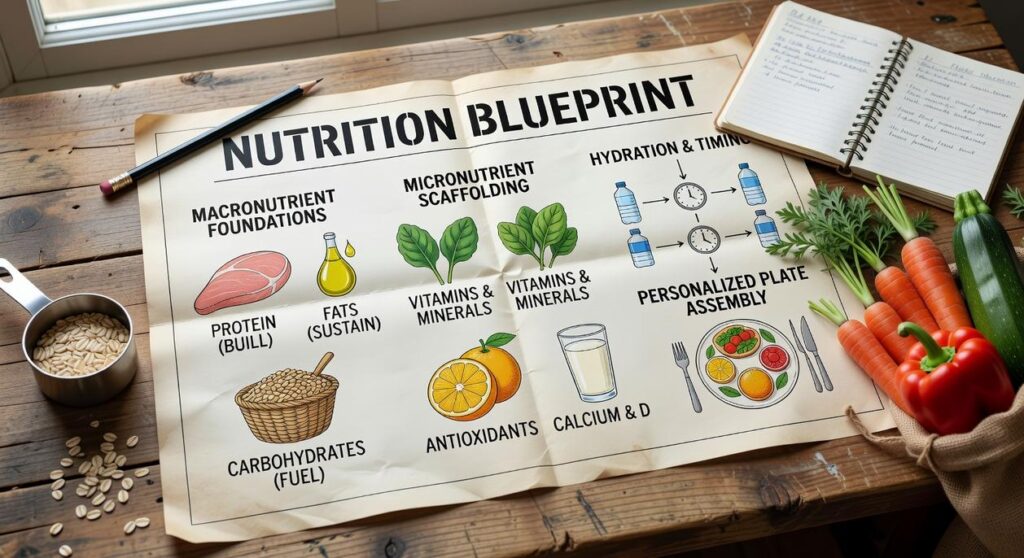
Ever felt like you’re on a nutrition rollercoaster? One day, carbs are the villain. The next, they’re important.
This constant flip-flopping leaves us with what I call “nutrition whiplash.” It’s tough, right? The purpose here is simple: we’re cutting through the noise. We’ll tackle nutrition myths debunked with real, science-backed takeaways.
No fads. Just facts. This confusion isn’t just annoying; it makes building healthy habits feel impossible.
Our approach? Focus on sustainable wellness and long-term health. Quick fixes don’t last, but understanding the “why” behind the science does.
This article promises a clear, relaxed guide on nutrition. You’ll feel empowered to make confident food choices because you’ll know the reasons behind them. We consulted leading experts to make sure the information is rock-solid.
You won’t just get answers; you’ll get practical advice that aligns with your lifestyle. Ready to demystify your diet and take control? Let’s do it.
Carb Chaos: Debunking the Myth
Let’s talk about carbs. The idea that all carbs are bad feels like the diet world’s favorite villain. Why?
Because the low-carb trend has swept through like a tidal wave, promising quick weight loss and eternal energy. But here’s the truth: carbohydrates are the body’s primary energy source, especially for the brain.
Imagine carbs like fuel. Complex carbs (think whole grains and veggies) are like slow-burning logs. They keep you going.
On the other hand, simple carbs (sugar, white flour) are quick-burning kindling. They flare up fast but burn out just as quickly.
Now, does this mean you should toss out carbs entirely? Absolutely not. It’s all about choosing the right kind.
Swap out white rice for brown or opt for whole-wheat bread instead of white. These small changes make a big difference. It’s like swapping a cheap thrill for a lasting relationship.
Does this sound like something you’d want to explore further? You might find a crafting personal nutrition plan guide helpful. Quality and context matter more than the macronutrient category itself.
That’s the real deal in nutrition myths debunked. Don’t be fooled by the hype.
Myth Busted: Fat Won’t Make You Fat
Remember the low-fat craze of the 80s and 90s? Everyone was obsessed with cutting fat, convinced it was the devil in disguise. Well, spoiler: it wasn’t.
This frenzy led to a lasting fear of dietary fat. But not all fats are equal. We have unsaturated fats (good ones like mono and poly), saturated fats, and the dreaded trans fats.
Unsaturated fats are your friends, helping with hormone production and absorbing fat-soluble vitamins like A, D, E, and K. They also keep you feeling full, which is key to managing your weight. But there’s more.
Want to know where to get these beneficial fats? Think avocados, olive oil, nuts, seeds, and fatty fish. They’re not just tasty but key.
Eating the right fats can actually aid in weight loss. It’s a twist in the tale that many didn’t see coming.
Curious about other nutrition myths? Check out nutrition myths debunked for more jaw-droppers.
Here’s the kicker: eating fat doesn’t make you fat. Choosing the right ones does wonders for your health. So, next time you see an avocado, remember it’s not your enemy.
It’s a lifesaver.
Meal Myths: The Frequent Eating Fallacy
You’ve heard it everywhere, right? Eat 5-6 small meals a day if you want to boost your metabolism. It’s like the holy grail of diet advice.
But here’s the kicker: this idea is more myth than magic.
Let’s break it down. When you eat, your body burns calories to digest food (this) is called the Thermic Effect of Food (TEF). The science is clear: TEF is based on your total calorie intake, not how you spread those calories out.
Whether you dive into three hearty meals or snack six times, the metabolic difference is laughably small.
So what’s the real deal? It’s about total daily calorie intake and getting a good balance of macronutrients. Ignore meal frequency.
Instead, pay attention to what (and how much) you eat. You do you. Choose a schedule that matches your lifestyle and hunger cues.
Need a hand organizing meals? Check out Meal Prepping 101 Tips Healthy Eating for some solid strategies.
In the end, don’t let nutrition myths debunked freak you out. Your metabolism isn’t a bonfire that needs constant stoking. It’s more like a well-oiled machine that runs best with the right fuel.
Detox Myths: The Truth About Cleanses
Ever thought a detox tea or juice cleanse would give you a quick health reset? You’re not alone. These products are tempting, promising to wipe away all the bad stuff.
But here’s the kicker: your body already has a built-in detoxification system. The liver and kidneys work tirelessly, filtering waste and flushing out toxins. They’re like your personal janitors, cleaning up around the clock.
Now, about those detox products. Most are unregulated. They often contain diuretics or laxatives.
Sure, you’ll lose some water weight, but that’s not detoxification. It’s just dehydration in disguise. And you might think you’re doing something beneficial, but you’re not giving your body anything it can’t handle on its own.
Here’s a practical alternative. Support your body’s natural detox system. Drink water.
Eat fiber-rich foods. Limit alcohol. Cut down on processed foods.
Simple, right? Science backs this up too. Your body thrives on moderation and consistency, not quick fixes.
Does it really surprise you that good old-fashioned habits trump trendy cleanses? The truth is, when it comes to “nutrition myths debunked,” the basics win every time. So next time you’re tempted by a flashy detox ad, remember your body doesn’t need a reboot.
It just needs you to treat it well.
Myth #5: More Protein Is Not Always More
High-protein diets are all the rage these days. People think more protein equals bigger muscles and less weight. Sounds great, right?
It’s true, protein’s key for muscle repair, enzymes, and keeping you full. But here’s the thing: more isn’t always better.
Active folks do need enough protein. But there’s a point where your body really can’t use the excess for muscle building. It’ll just turn it into energy or, worse, store it as fat.
It’s called diminishing returns. Ever heard someone say, “You can never have too much of a good thing?” Well, that doesn’t apply here.
Does chugging a giant protein shake sound like a great idea? Spoiler alert: it’s not. Distributing your protein intake throughout the day works smarter, not harder.
Your body handles small doses better than a massive, gut-busting meal.
Aiming for high-quality protein with each meal is a smarter play. Think balanced plates, not just piling on one macronutrient. Nutrition myths debunked, right here.
If you’re focused on maximizing those gains, consider quality over sheer quantity.
So, next time you load up your plate or shake, remember: balance. You’ll thank me later.
Kickstart Your Health Momentum
Nutrition myths create nothing but chaos. They stop you from eating right and feeling good. But here’s the truth: understanding core principles helps you ditch the fads.
Build on balanced macronutrients, whole foods, and trust your body. true wellness lives. So, what’s next? Pick a myth you once believed.
Apply a clarified principle to your meals this week. Watch how things shift. You’re not just breaking free; you’re stepping into sustainable health.
Want proof? Check out nutrition myths debunked. It’s time to feel the difference.
Dive into clarity. Your health deserves nothing less.

 There is a specific skill involved in explaining something clearly — one that is completely separate from actually knowing the subject. Vorric Eldwain has both. They has spent years working with nutrition and wellness plans in a hands-on capacity, and an equal amount of time figuring out how to translate that experience into writing that people with different backgrounds can actually absorb and use.
Vorric tends to approach complex subjects — Nutrition and Wellness Plans, Workout Recovery Hacks, Health Momentum being good examples — by starting with what the reader already knows, then building outward from there rather than dropping them in the deep end. It sounds like a small thing. In practice it makes a significant difference in whether someone finishes the article or abandons it halfway through. They is also good at knowing when to stop — a surprisingly underrated skill. Some writers bury useful information under so many caveats and qualifications that the point disappears. Vorric knows where the point is and gets there without too many detours.
The practical effect of all this is that people who read Vorric's work tend to come away actually capable of doing something with it. Not just vaguely informed — actually capable. For a writer working in nutrition and wellness plans, that is probably the best possible outcome, and it's the standard Vorric holds they's own work to.