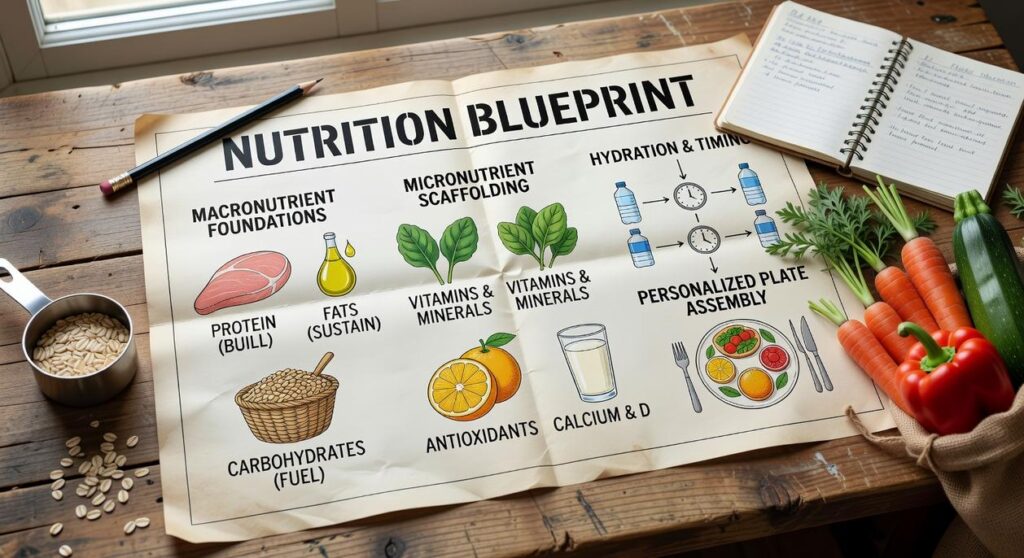
If you’re looking for a practical way to eat healthier, save time, and stay consistent with your fitness goals, this weekly meal prepping guide is designed to give you exactly that. Many people struggle with last-minute food choices, inconsistent nutrition, and falling off track during busy weeks. This article breaks down a clear, sustainable approach to planning, preparing, and portioning your meals so you can build real health momentum without feeling overwhelmed.
Inside, you’ll find structured strategies for balancing macronutrients, optimizing grocery lists, improving food storage, and aligning meals with strength training or recovery days. The guidance is grounded in established nutrition principles and evidence-based fitness practices, ensuring you’re not just following trends but building habits that actually support performance and long-term wellness.
Whether your goal is fat loss, muscle gain, or simply better energy throughout the week, this guide will help you turn preparation into progress—one organized week at a time.
Stop Stressing About Dinner: Your 7-Day Meal Prep Blueprint
Every evening it hits: what’s for dinner? That tiny question drains BIG energy. Decision fatigue—mental exhaustion from too many choices—steals your focus and your wallet.
This blueprint solves it. You’ll eliminate guesswork, cut impulse takeout spending, and align meals with your health goals (yes, even on chaotic Tuesdays).
Instead of random recipes, you get a simple system: plan, shop, prep, portion, repeat. Think of it as your weekly meal prepping guide to CONSISTENT nutrition and faster recovery.
The payoff? More time, steadier progress, and TOTAL control over your week right now.
The Triple Win: Save Time, Money, and Hit Your Health Goals
Meal planning turns chaos into control. Instead of spending 60–90 minutes cooking and cleaning every night, you batch it once and reclaim your weeknights (hello, free time). Following a weekly meal prepping guide means fewer dishes, fewer “what’s for dinner?” debates, and more consistency.
Financially, it’s just as powerful. Shopping with a precise list cuts impulse buys and reduces food waste. The USDA estimates the average household wastes about 30% of food annually (USDA). Meal preppers often report saving $100–$200 in a single month by avoiding takeout and spoiled groceries.
Health-wise, planning ensures balanced macronutrients—protein for muscle repair, carbs for energy, fats for hormone support—and controlled portions that align with your goals.
| Benefit | Real Impact |
|———-|————–|
| Time | 5–7 hours saved weekly |
| Money | $100–$200/month saved |
| Health | Consistent fueling + recovery |
Pro tip: Prep post-workout meals with 20–30g protein to speed recovery and maintain momentum.
Step 1: The “State of the Kitchen” Audit
First things first, pause before you even think about recipes. Check your calendar for late meetings, kids’ practices, or that “quick dinner” that’s never quick. Those busy nights define your strategy. Next, audit your pantry, fridge, and freezer. An audit simply means a quick, intentional inventory (no spreadsheets required). Spot the lonely zucchini and the half-bag of rice. Real-world example: finding frozen chicken saves you $15 instantly. Pro tip: build meals around what’s about to expire.
Step 2: Choose Your Recipes & Core Ingredients
Now that you know your schedule and supplies, choose a mix of reliable favorites and one or two new recipes. Familiar meals reduce decision fatigue (a psychological term for getting worse at choices when tired). Then use ingredient stacking—selecting recipes that share ingredients like chicken, quinoa, or bell peppers to reduce waste and cost. Some argue variety prevents boredom. True, but overlapping ingredients actually increase creativity. Think of it like remixing leftovers—DJ Kitchen, anyone?
Step 3: Build Your Master Shopping List
With recipes locked in, create a categorized master list: produce, protein, pantry, dairy, frozen. This system prevents “aisle amnesia,” where you wander aimlessly and somehow leave with cookies but no onions. Studies show shoppers with lists spend less and make healthier choices (Journal of Nutrition Education and Behavior, 2013). Write down quantities directly from recipes. If three meals need spinach, combine the totals. Pro tip: check your kitchen again before checkout to avoid buying your third cumin jar.
Step 4: Block Out Your Prep Time
Next, schedule a 2–3 hour block for shopping and prepping. Treat it like a non-negotiable doctor’s appointment for your future self. Research shows scheduling increases follow-through rates significantly (American Journal of Lifestyle Medicine, 2017). Some people argue spontaneity keeps life exciting. Sure—but scrambling at 6:47 p.m. while hangry isn’t thrilling. Put it on your calendar, set a reminder, and cue your favorite playlist. Suddenly, chopping vegetables feels less like a chore and more like productive therapy.
Step 5: The “Cook and Component” Prep Method
Finally, choose your prep style. Option one: cook full meals now and reheat later—perfect for chaotic weeks. Option two: prep components like chopped veggies, cooked grains, and marinated proteins for quick assembly. Components give flexibility while reducing nightly effort. If you’re following a weekly meal prepping guide, this hybrid method often works best. Don’t forget hydration supports performance; review hydration strategies for better performance and recovery. Because meal prep is powerful—but water still runs the show.
Expert Tips to Streamline Prep and Avoid Burnout
Start small. Planning just three or four days’ worth of meals keeps things manageable and builds QUICK WINS. Instead of mapping an entire week, test your rhythm first. Wondering what’s next once that feels easy? Expand gradually, not all at once.
Embrace theme nights like Meatless Monday or Taco Tuesday to eliminate decision fatigue. Fewer choices mean less stress (and fewer 6:00 p.m. “what’s for dinner?” standoffs). Over time, themes become automatic habits.
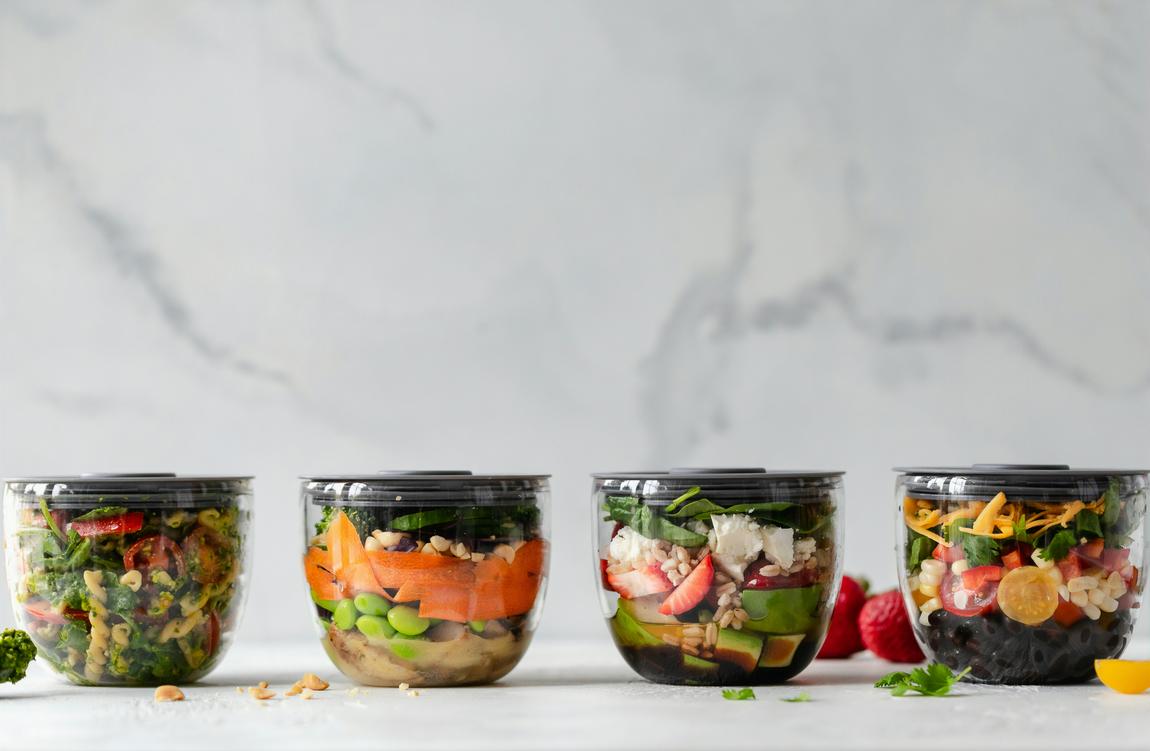
Invest in quality glass or BPA-free containers. They preserve freshness longer and make grab-and-go meals seamless. Pro tip: choose stackable sets to save fridge space and reduce clutter.
Don’t forget snacks. Pre-portioned nuts, yogurt, or fruit prevent energy crashes and impulsive vending-machine runs. Balanced snacks stabilize blood sugar, which research links to steadier energy levels (Harvard Health).
Try the “planned leftovers” hack: cook extra dinner and pack tomorrow’s lunch immediately. This doubles efficiency and cuts midweek cooking time in half.
After you’ve mastered these basics, you might ask how to organize everything. A simple weekly meal prepping guide helps you batch shop, schedule prep blocks, and track what worked. Keep refining until your system feels sustainable, not exhausting. End.
From Plan to Plate: Making Meal Prep a Lasting Habit
You now have a complete, repeatable system. The real win? No more 5 p.m. panic staring into the fridge, wondering what to cook (or defaulting to takeout again). That daily stress is the true enemy of consistency.
This 5-step approach works because it’s structured but flexible. Structure gives you direction. Flexibility keeps you from quitting when life gets busy. Research shows habits stick when they’re simple and repeatable, not extreme (Clear, 2018). Momentum beats perfection every time.
Here’s my recommendation: don’t overhaul everything this week. Pick one step and execute it well.
- Audit your pantry or choose three go-to recipes and schedule them.
That’s it. Small action, repeated weekly, builds identity and discipline.
If you need a reference, revisit your weekly meal prepping guide and apply just one piece.
Take control of your nutrition, and you take control of your energy, strength, and results. Your goals deserve fuel.
Build Momentum and Take Control of Your Health
You came here looking for a smarter way to build real health momentum — not quick fixes, not burnout cycles, but a sustainable system that actually works. Now you understand how structured fitness, intentional nutrition, strength conditioning, and proper recovery all work together to create lasting results.
The real pain point isn’t lack of effort — it’s inconsistency. Skipped workouts. Last-minute food choices. Recovery ignored until injury or exhaustion forces a break. That cycle is frustrating, and it stalls progress.
The solution is simple: follow a plan and stick to it. Start implementing a structured training routine, prioritize recovery as much as your workouts, and use a weekly meal prepping guide to eliminate guesswork from your nutrition. Preparation removes excuses and builds momentum automatically.
If you’re ready to stop starting over and finally see consistent progress, take action now. Commit to your training schedule this week. Plan your meals in advance. Track your recovery. Thousands of health-focused individuals are transforming their performance by following proven, structured systems — and you can too.
Your next level of strength, energy, and confidence starts with one decision. Start today.

 There is a specific skill involved in explaining something clearly — one that is completely separate from actually knowing the subject. Vorric Eldwain has both. They has spent years working with nutrition and wellness plans in a hands-on capacity, and an equal amount of time figuring out how to translate that experience into writing that people with different backgrounds can actually absorb and use.
Vorric tends to approach complex subjects — Nutrition and Wellness Plans, Workout Recovery Hacks, Health Momentum being good examples — by starting with what the reader already knows, then building outward from there rather than dropping them in the deep end. It sounds like a small thing. In practice it makes a significant difference in whether someone finishes the article or abandons it halfway through. They is also good at knowing when to stop — a surprisingly underrated skill. Some writers bury useful information under so many caveats and qualifications that the point disappears. Vorric knows where the point is and gets there without too many detours.
The practical effect of all this is that people who read Vorric's work tend to come away actually capable of doing something with it. Not just vaguely informed — actually capable. For a writer working in nutrition and wellness plans, that is probably the best possible outcome, and it's the standard Vorric holds they's own work to.
There is a specific skill involved in explaining something clearly — one that is completely separate from actually knowing the subject. Vorric Eldwain has both. They has spent years working with nutrition and wellness plans in a hands-on capacity, and an equal amount of time figuring out how to translate that experience into writing that people with different backgrounds can actually absorb and use.
Vorric tends to approach complex subjects — Nutrition and Wellness Plans, Workout Recovery Hacks, Health Momentum being good examples — by starting with what the reader already knows, then building outward from there rather than dropping them in the deep end. It sounds like a small thing. In practice it makes a significant difference in whether someone finishes the article or abandons it halfway through. They is also good at knowing when to stop — a surprisingly underrated skill. Some writers bury useful information under so many caveats and qualifications that the point disappears. Vorric knows where the point is and gets there without too many detours.
The practical effect of all this is that people who read Vorric's work tend to come away actually capable of doing something with it. Not just vaguely informed — actually capable. For a writer working in nutrition and wellness plans, that is probably the best possible outcome, and it's the standard Vorric holds they's own work to.