
If you’re searching for practical ways to improve your fitness, build strength, and create sustainable nutrition habits, you’re in the right place. This article is designed to help you cut through the noise and focus on what actually drives results: structured training, smart recovery, and consistent health progress tracking.
Many people struggle not because they lack motivation, but because they lack a clear system. Without the right fitness methods, personalized nutrition strategies, and recovery techniques, progress stalls and frustration builds. Here, you’ll find evidence-based guidance on strength conditioning, workout programming, meal planning fundamentals, and recovery optimization—all aligned with the goal of building long-term health momentum.
Our content is grounded in proven training principles, current sports science research, and real-world application. Every recommendation is built to be practical, measurable, and adaptable to different fitness levels.
By the end, you’ll have a clearer roadmap for training smarter, recovering better, and making consistent progress you can actually see and measure.
From Guesswork to Growth: A Practical Guide to Tracking Your Health Journey
Many people work hard yet feel stuck because progress seems invisible. The fix is health progress tracking, which simply means collecting clear data about your body and performance. Instead of relying on weight alone, track:
- Strength gains (how much you lift or how many reps you complete)
- Body measurements (waist, hips, muscle size)
- Recovery markers like sleep quality and resting heart rate
These metrics clarify what “progress” means. If numbers improve, plan works; if they stall, adjust training or nutrition. Data turns effort into direction.
Beyond the Scale: Why Consistent Monitoring Is Your Secret Weapon
I’ll say it plainly: the scale is one of the least interesting metrics in your entire routine. What actually changes behavior is momentum.
Momentum, in health terms, is the psychological lift you get from small, visible wins. When you log a workout, hit your protein target, or shave seconds off a run, your brain releases dopamine—the neurotransmitter tied to motivation and reward (Harvard Health). That creates a positive feedback loop. You act, you see proof, you feel good, you repeat. It’s simple, but powerful.
Without data, you’re guessing. And guessing is a terrible strategy.
With health progress tracking, you can:
- Spot patterns in energy, strength, and recovery
- Identify what foods actually fuel you
- Adjust workouts before burnout hits
- Catch plateaus early and pivot fast
A plateau—when progress stalls despite effort—doesn’t happen overnight. It whispers before it screams. Maybe reps stop increasing. Maybe sleep quality dips. Monitoring lets you respond proactively instead of emotionally (and yes, frustration carbs are real).
Some argue tracking is obsessive. I disagree. When done thoughtfully, it’s empowering. You learn your body’s unique responses and build a strategy tailored to you—not some influencer’s routine.
Pro tip: Track fewer metrics, but track them consistently. Consistency beats intensity every time.
The Core Four: Essential Metrics for a 360-Degree Health View
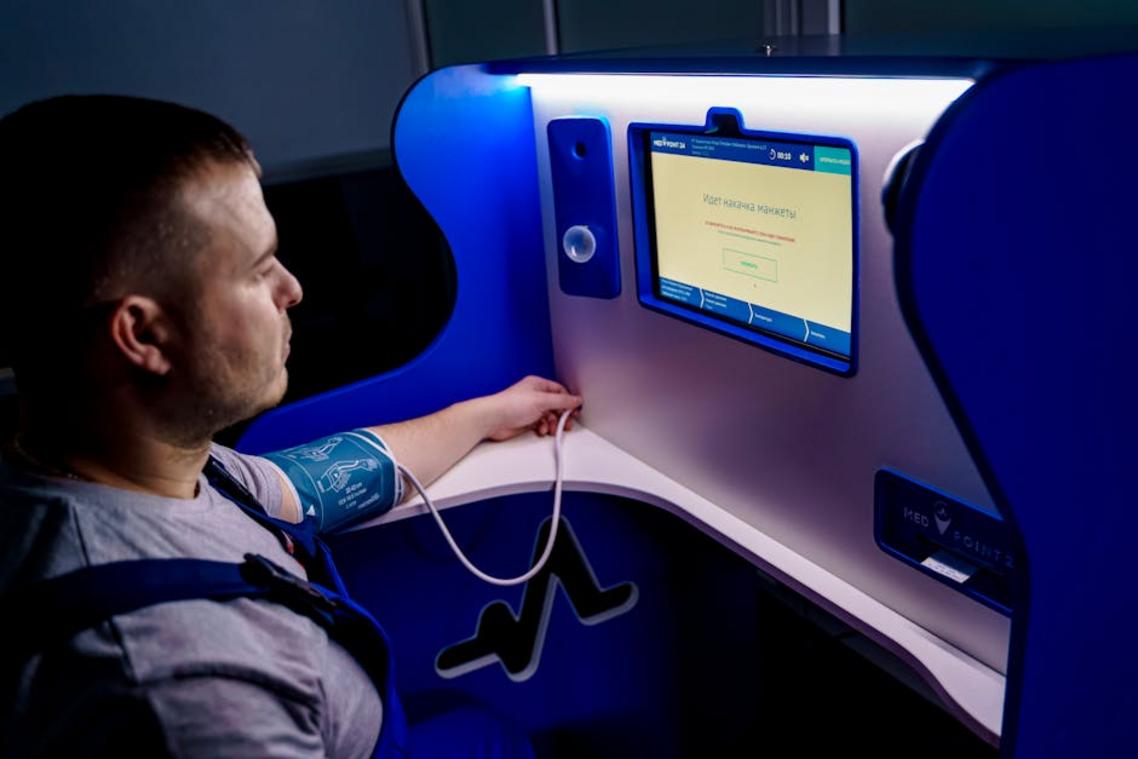
If you want real results, you need more than a number on a scale. True progress comes from tracking the right data points — the ones that reflect performance, physique, fuel, and recovery. Together, these four categories create a complete system for health progress tracking that actually guides decisions (instead of guessing and hoping).
Strength & Performance Metrics
First and foremost, measure what your body can do. Track weight lifted, repetitions completed, total sets, and time or distance for cardio sessions. These are objective performance indicators — meaning they’re measurable outputs of physical ability.
For example, increasing your squat from 135 lbs for 5 reps to 185 lbs for 5 reps shows measurable strength adaptation. Likewise, shaving a minute off a mile run reflects cardiovascular improvement. These metrics directly connect effort to improvement (and numbers don’t lie).
Body Composition Metrics
Next, step away from scale obsession. Body composition refers to the ratio of fat mass to lean mass (muscle, bone, organs). A simple tape measure around the waist, hips, and chest provides more context than weight alone. Monthly progress photos add visual confirmation.
Someone can lose fat, gain muscle, and see little scale change — yet look dramatically different. That’s why measurements matter.
Nutrition Intake Metrics
Fuel drives performance. Track daily protein intake to support muscle repair and growth. Research shows protein needs for active individuals typically range between 1.6–2.2 grams per kilogram of bodyweight (Jäger et al., 2017, Journal of the International Society of Sports Nutrition).
Additionally, monitor hydration and note how you feel after meals. If energy crashes follow certain foods, that’s useful feedback (your body is basically sending performance reports).
Recovery & Wellness Metrics
Finally, progress happens during recovery. Monitor sleep duration and perceived quality, morning resting heart rate, and daily energy levels. Elevated resting heart rate can signal stress or overtraining (American Heart Association).
If recovery declines, adjust intensity. Sustainable results depend on balance — exactly what you’ll learn in how to build health momentum that lasts all year.
Your Health Tracking Toolkit: Simple Methods That Deliver Big Results
When it comes to health progress tracking, more tech isn’t always better. In fact, I’m not entirely convinced the fanciest app will outperform a $3 notebook. The evidence consistently shows that self-monitoring improves outcomes (American Journal of Preventive Medicine), but the format? That’s still debated.
The Low-Tech Powerhouse
A simple notebook works because it’s visible and tangible. Log workouts, measurements, sleep quality, and daily energy. Over time, patterns emerge (and yes, flipping back through pages feels oddly satisfying). It’s low-cost, distraction-free, and reliable.
Essential Digital Tools
Your smartphone calendar or a basic spreadsheet can schedule and track workouts efficiently. Free photo apps help organize progress pictures in one place. If you’re already glued to your phone, this may be the path of least resistance.
How to Use Wearable Data (If You Have It)
Wearables can help—but only if you simplify:
- Track weekly average resting heart rate.
- Monitor average sleep duration.
Daily spikes mean little; trends over weeks matter more (Harvard Health Publishing).
The Consistency Rule
Here’s what I do know: the best system is the one you’ll use for 30 days straight. Choose one method. Commit. Adjust later if needed. The habit beats the hardware every time.
Blueprint in Action
A year ago, I hit a wall with my workouts. I was training hard, eating “clean,” and still nothing changed. So I started writing things down. That simple habit turned frustration into clarity.
First, review your data weekly. In fact, a quick 15-minute check every Sunday works wonders. Look for trends, not single spikes. One bad workout means nothing; three sluggish weeks might. Then, adjust monthly. Give new habits time to breathe before overhauling everything.
Next, celebrate non-scale victories. Did you lift five more pounds? Sleep through the night? Notice steadier energy at work? These are wins. They are proof your system is working (even when the mirror feels dramatic).
For example, when my squat stalled for a month, I assumed my program was broken. However, my log showed inconsistent sleep and low protein. The bottleneck wasn’t effort; it was recovery. Once fixed, progress returned—cue the Rocky montage music.
So here’s the action plan: start today. Pick ONE metric from each Core Four category and track it in a notebook. This kind of health progress tracking builds awareness fast. Over time, small data points become a roadmap. And momentum? It follows clarity. Consistency compounds faster than motivation.
Keep Your Momentum Moving Forward
You started this journey because you wanted real, lasting results—not another short burst of motivation that fades in a few weeks. Now you understand how smart training, proper nutrition, recovery, and health progress tracking work together to create measurable, sustainable change.
The biggest frustration isn’t effort—it’s putting in the work and not seeing progress. Without a clear system, it’s easy to feel stuck, second-guess your plan, or lose momentum. That stops today.
Take action now. Commit to structured workouts, fuel your body with purpose, prioritize recovery, and consistently review your health progress tracking metrics so you can adjust and improve. Small, consistent improvements compound into powerful results.
If you’re ready to stop guessing and start seeing real progress, explore proven fitness methods, structured nutrition plans, and recovery strategies designed to accelerate results. Don’t wait for motivation—build momentum. Start today and turn your effort into measurable success.

 Michelle Bautistarangero is the kind of writer who genuinely cannot publish something without checking it twice. Maybe three times. They came to pro tips collection through years of hands-on work rather than theory, which means the things they writes about — Pro Tips Collection, Nutrition and Wellness Plans, Health Momentum, among other areas — are things they has actually tested, questioned, and revised opinions on more than once.
That shows in the work. Michelle's pieces tend to go a level deeper than most. Not in a way that becomes unreadable, but in a way that makes you realize you'd been missing something important. They has a habit of finding the detail that everybody else glosses over and making it the center of the story — which sounds simple, but takes a rare combination of curiosity and patience to pull off consistently. The writing never feels rushed. It feels like someone who sat with the subject long enough to actually understand it.
Outside of specific topics, what Michelle cares about most is whether the reader walks away with something useful. Not impressed. Not entertained. Useful. That's a harder bar to clear than it sounds, and they clears it more often than not — which is why readers tend to remember Michelle's articles long after they've forgotten the headline.
Michelle Bautistarangero is the kind of writer who genuinely cannot publish something without checking it twice. Maybe three times. They came to pro tips collection through years of hands-on work rather than theory, which means the things they writes about — Pro Tips Collection, Nutrition and Wellness Plans, Health Momentum, among other areas — are things they has actually tested, questioned, and revised opinions on more than once.
That shows in the work. Michelle's pieces tend to go a level deeper than most. Not in a way that becomes unreadable, but in a way that makes you realize you'd been missing something important. They has a habit of finding the detail that everybody else glosses over and making it the center of the story — which sounds simple, but takes a rare combination of curiosity and patience to pull off consistently. The writing never feels rushed. It feels like someone who sat with the subject long enough to actually understand it.
Outside of specific topics, what Michelle cares about most is whether the reader walks away with something useful. Not impressed. Not entertained. Useful. That's a harder bar to clear than it sounds, and they clears it more often than not — which is why readers tend to remember Michelle's articles long after they've forgotten the headline.