Chronic inflammation is often the hidden driver behind persistent joint pain, sluggish workout recovery, digestive discomfort, and even long-term health complications. While it can feel overwhelming, one of the most effective ways to manage inflammation starts on your plate. In this guide, you’ll find a clear, science-backed list of anti-inflammatory foods that can help calm your system naturally. We’ll explain why each food works and how to easily add it to your daily meals, so you can support faster recovery, build health momentum, and protect your body for the long run.
Rich in Omega-3s: The Power of Fatty Fish
Fatty fish earn their reputation for a reason. They’re packed with omega-3 fatty acids—specifically EPA (eicosapentaenoic acid) and DHA (docosahexaenoic acid)—which help reduce the production of inflammatory compounds called cytokines. In simple terms, that means less internal “fire” stressing your joints, heart, and muscles. Over time, that can translate to better recovery, improved heart health, and even sharper cognitive function (yes, brain food is real).
So what should make your anti inflammatory foods list? Salmon, mackerel, sardines, anchovies, and herring. Aim for two servings per week. For example, bake salmon with lemon and herbs, or toss sardines into a salad with olive oil. Small changes, big payoff—and your body will thank you for it.
Antioxidant Powerhouses: Berries and Dark Fruits
Berries earn their vibrant reds, blues, and purples from anthocyanins—plant compounds that act as antioxidants. Antioxidants neutralize free radicals (unstable molecules that damage cells), helping calm inflammation after tough workouts or long, stressful days. That’s why blueberries, strawberries, raspberries, blackberries, and tart cherries consistently appear on any anti inflammatory foods list.
Here’s how to use them:
- Stir a handful of blueberries into morning oatmeal.
- Layer strawberries and raspberries over Greek yogurt.
- Blend blackberries into a protein smoothie.
- Sip tart cherry juice post-workout for recovery support (a favorite among endurance athletes).
Pro tip: Choose frozen berries when fresh aren’t in season—they’re picked at peak ripeness. Color is your cue: the deeper the hue, the richer the anthocyanins.
Go Green: Leafy Greens and Cruciferous Vegetables
I used to underestimate leafy greens. I’d load up on protein and carbs, then wonder why my joints still felt stiff after workouts (turns out, recovery isn’t just about protein shakes). The missing piece? Micronutrients—vitamins and minerals your body needs in small amounts to function properly.
Spinach, kale, Swiss chard, broccoli, cauliflower, and Brussels sprouts form a powerful anti inflammatory foods list. These vegetables are rich in Vitamin K (essential for blood clotting and bone health) and sulforaphane, an antioxidant compound in cruciferous vegetables that helps protect cells from inflammatory damage (National Institutes of Health).
My mistake was overcooking them into mush. I learned that light steaming or roasting preserves nutrients and flavor. Add spinach to smoothies, roast broccoli with olive oil, or toss kale into a hearty salad. Pro tip: massage kale with lemon juice to soften it and improve taste. Small tweaks, big recovery gains.
Healthy Fats: Nuts, Seeds, and Olive Oil

If you want to lower inflammation and support heart health, START with monounsaturated fats. These fats help reduce LDL cholesterol and improve overall lipid profiles (Harvard T.H. Chan School of Public Health). Extra virgin olive oil contains oleocanthal, a natural compound with effects similar to ibuprofen in reducing inflammation (Beauchamp et al., Nature, 2005).
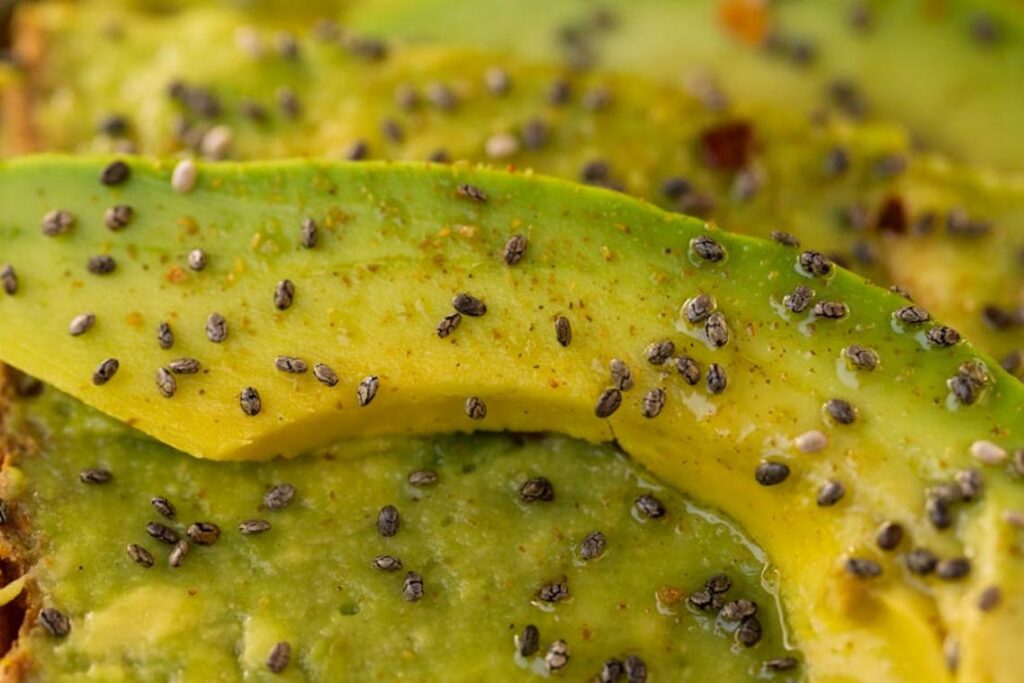
Choose from this anti inflammatory foods list: almonds, walnuts, chia seeds, flaxseeds, and extra virgin olive oil. Walnuts, chia, and flax provide alpha-linolenic acid (ALA), a plant-based omega-3 linked to reduced cardiovascular risk (American Heart Association).
Use olive oil as your PRIMARY cooking and dressing fat. Aim for a small handful of nuts daily. Sprinkle ground flax or chia over yogurt, oats, or salads for an easy boost.
For a tailored approach, read how to create a personalized nutrition plan for active lifestyles and optimize DAILY PERFORMANCE naturally.
Turmeric, ginger, cinnamon, and garlic aren’t just pantry staples; they’re functional tools for recovery. Turmeric contains curcumin, a polyphenol shown to reduce inflammatory markers by modulating NF-κB pathways (Journal of Medicinal Food). However, curcumin absorbs poorly on its own—so pair it with black pepper’s piperine to enhance bioavailability. Meanwhile, ginger delivers gingerol, a compound linked to reduced muscle soreness and joint stiffness (Pain Medicine).
Cinnamon adds cinnamaldehyde, which supports blood sugar balance, and garlic provides allicin, known for immune and cardiovascular benefits.
For example, brew a turmeric-ginger tea post-workout, sprinkle cinnamon into coffee or oatmeal, and fold fresh garlic into savory dishes. In other words, this anti inflammatory foods list turns everyday meals into recovery allies (yes, flavor counts too).
Foods to Limit: Understanding Inflammatory Triggers
Chronic inflammation is your body’s long-term stress response—helpful in short bursts, harmful when constantly switched on. Certain foods can keep that switch flipped. Refined carbohydrates like white bread and pastries spike blood sugar quickly, which may increase inflammatory markers (Harvard Health Publishing). Fried foods and sugar-sweetened beverages do something similar, while processed meats—hot dogs and sausage—contain compounds linked to higher inflammation levels (NIH). Excessive trans fats, often found in margarine and packaged snacks, are especially problematic.
Now, I don’t believe in “banned” foods. That mindset backfires. Instead, think reduce and replace. Swap soda for sparkling water. Choose whole grains over white bread. Build meals around an anti inflammatory foods list and treat the rest as occasional extras. Your workouts—and recovery—will feel the difference.
Building Your Anti-Inflammatory Eating Plan
You came here looking for clarity on what to eat and what to avoid—and now you have it. With a clear anti inflammatory foods list and a better understanding of which foods may fuel inflammation, you’re equipped to make smarter daily choices.
Remember, lowering inflammation isn’t about one miracle ingredient. It’s about building a consistent pattern of whole, nutrient-dense meals that support long-term health momentum.
Start small: add one anti-inflammatory food to your day and replace one pro-inflammatory item. These simple swaps compound over time.
If you’re tired of stubborn fatigue, joint discomfort, or slow recovery, take action now. Explore our proven nutrition and fitness resources and start building lasting health momentum today.

 Robert Eadesvens writes the kind of nutrition and wellness plans content that people actually send to each other. Not because it's flashy or controversial, but because it's the sort of thing where you read it and immediately think of three people who need to see it. Robert has a talent for identifying the questions that a lot of people have but haven't quite figured out how to articulate yet — and then answering them properly.
They covers a lot of ground: Nutrition and Wellness Plans, Workout Recovery Hacks, Wutaw Strength Conditioning, and plenty of adjacent territory that doesn't always get treated with the same seriousness. The consistency across all of it is a certain kind of respect for the reader. Robert doesn't assume people are stupid, and they doesn't assume they know everything either. They writes for someone who is genuinely trying to figure something out — because that's usually who's actually reading. That assumption shapes everything from how they structures an explanation to how much background they includes before getting to the point.
Beyond the practical stuff, there's something in Robert's writing that reflects a real investment in the subject — not performed enthusiasm, but the kind of sustained interest that produces insight over time. They has been paying attention to nutrition and wellness plans long enough that they notices things a more casual observer would miss. That depth shows up in the work in ways that are hard to fake.
Robert Eadesvens writes the kind of nutrition and wellness plans content that people actually send to each other. Not because it's flashy or controversial, but because it's the sort of thing where you read it and immediately think of three people who need to see it. Robert has a talent for identifying the questions that a lot of people have but haven't quite figured out how to articulate yet — and then answering them properly.
They covers a lot of ground: Nutrition and Wellness Plans, Workout Recovery Hacks, Wutaw Strength Conditioning, and plenty of adjacent territory that doesn't always get treated with the same seriousness. The consistency across all of it is a certain kind of respect for the reader. Robert doesn't assume people are stupid, and they doesn't assume they know everything either. They writes for someone who is genuinely trying to figure something out — because that's usually who's actually reading. That assumption shapes everything from how they structures an explanation to how much background they includes before getting to the point.
Beyond the practical stuff, there's something in Robert's writing that reflects a real investment in the subject — not performed enthusiasm, but the kind of sustained interest that produces insight over time. They has been paying attention to nutrition and wellness plans long enough that they notices things a more casual observer would miss. That depth shows up in the work in ways that are hard to fake.